


News List
Contact us
 AHKING Profile
Contact: Maple Joe
Mobile: 15301660563
Tel: 021-37195886/35/62
How to select the pressure for vacuum quenching oil?
Water exists in three forms in vacuum quenching oil: settled water, suspended water, and dissolved or emulsified water.
Settled water has little impact on the cooling capacity of quenching oil.
However, under certain conditions such as temperature change, stirring and the presence of emulsifiers, settled water will convert into dissolved or emulsified water.
In high-viscosity oil, water mostly exists in a suspended state; it is the dissolved and emulsified water that impairs the cooling performance of quenching oil.
A certain amount of moisture may get mixed into the oil during transportation and storage.
Water has very low solubility in oil, generally no more than 0.04% by volume, and emulsifiers exert a strong influence.
In most cases, moisture can be removed by heating.
Natural sedimentation cannot completely eliminate water from the oil. For this reason, quenching tanks require careful maintenance to prevent any ingress of water.
At present, vacuum quenching oils available on the market feature low saturated vapor pressure, low critical pressure, excellent chemical stability, high surface brightness after quenching, and low acid value. Even so, their cooling capacity declines noticeably under low vacuum pressure. The hardenability of vacuum oil quenching is only about 75% of that achieved by conventional oil quenching under normal atmospheric pressure, and in some cases, full quenching cannot be accomplished.
For materials with medium hardenability, the oil level pressure shall be controlled within 5 × 10³ ~ 1 × 10⁴ Pa.
For materials with good hardenability, gas charging is optional.
If gas charging is required, it can be performed before oil injection, with the oil level pressure kept at 2.5 × 10⁴ ~ 5 × 10⁴ Pa; alternatively, inject the oil first, then introduce air afterward.
For gas supplied in the post‑charging mode, a relatively lower purity of 99.8% ~ 99.99% is acceptable, which helps reduce operating costs accordingly.
In terms of adjusting the oil level pressure, the fundamental requirement is to prevent and reduce oil vapor generated during quenching from entering the heating chamber and causing contamination. Therefore, a relatively higher pressure is recommended. Even for materials with excellent hardenability, it is advisable to use inert gas for filling.
Workpieces for vacuum heat treatment shall be cleaned and arranged in order before loading.If there is a large difference in diameter or thickness, larger workpieces must be placed at the edges and smaller ones in the inner area, so as to achieve uniform heating of all parts as far as possible.
Carbon black and scale both act as adsorbents. They can adsorb additives contained in quenching oil and accelerate the deterioration of oil performance.
Therefore, regular removal of carbon black and scale is essential for the maintenance of quenching oil.
While removing carbon black and scale, cleaning out oil sludge at the same time can also improve the quality of quenching oil.
The performance of quenching oil will change gradually after long-term service.
- Previous: How to use water-based quenchant?
- Next: Do You Really Understand the Difference Between Vacuum Quenching Oil and Conventional Quenching Oil?
-
 ICP-211H Volatile degreaser (advanced)
-
 Surge type flip cleaning machine for gearbox housing_01
-
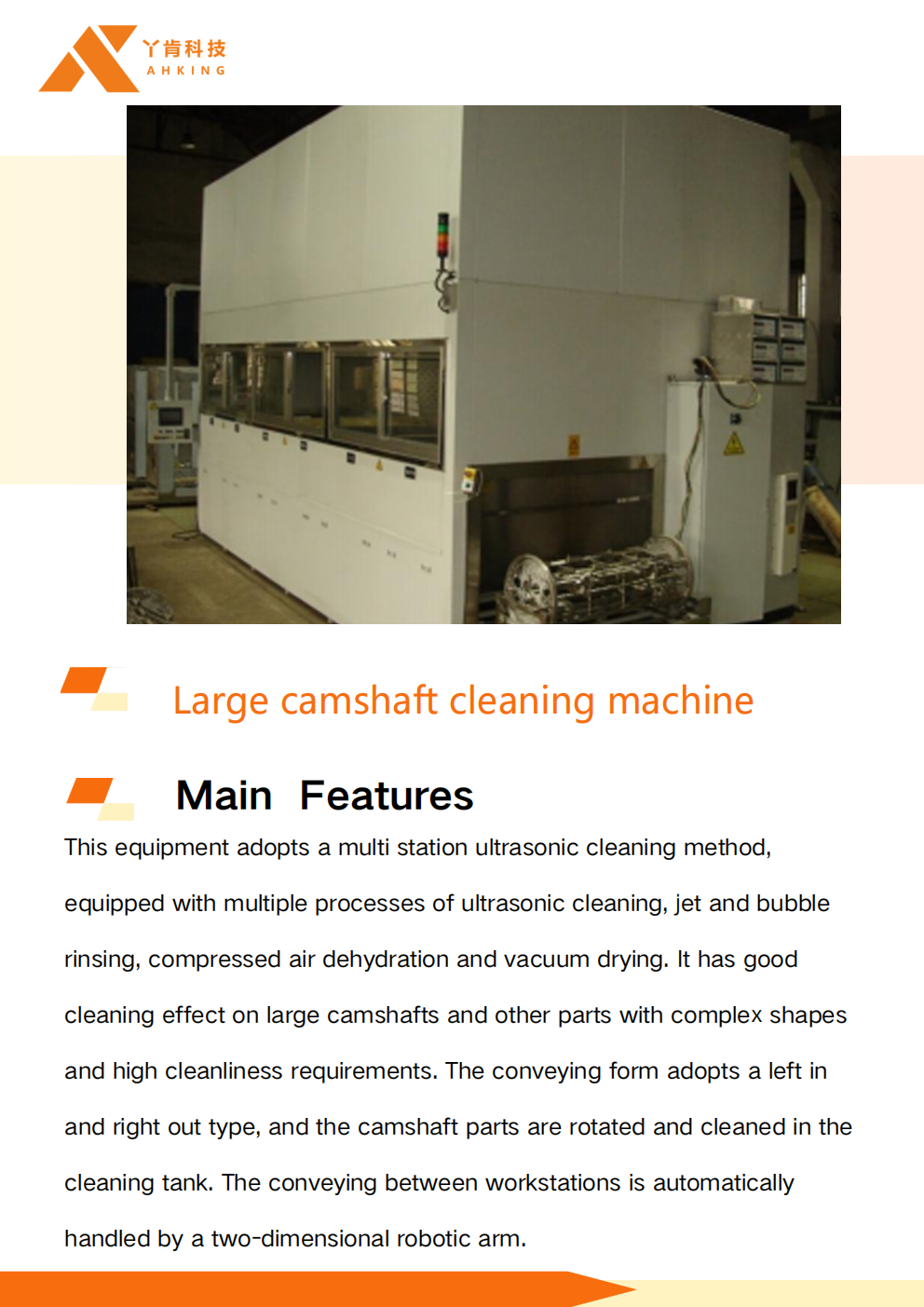 Large camshaft cleaning machine_01
-
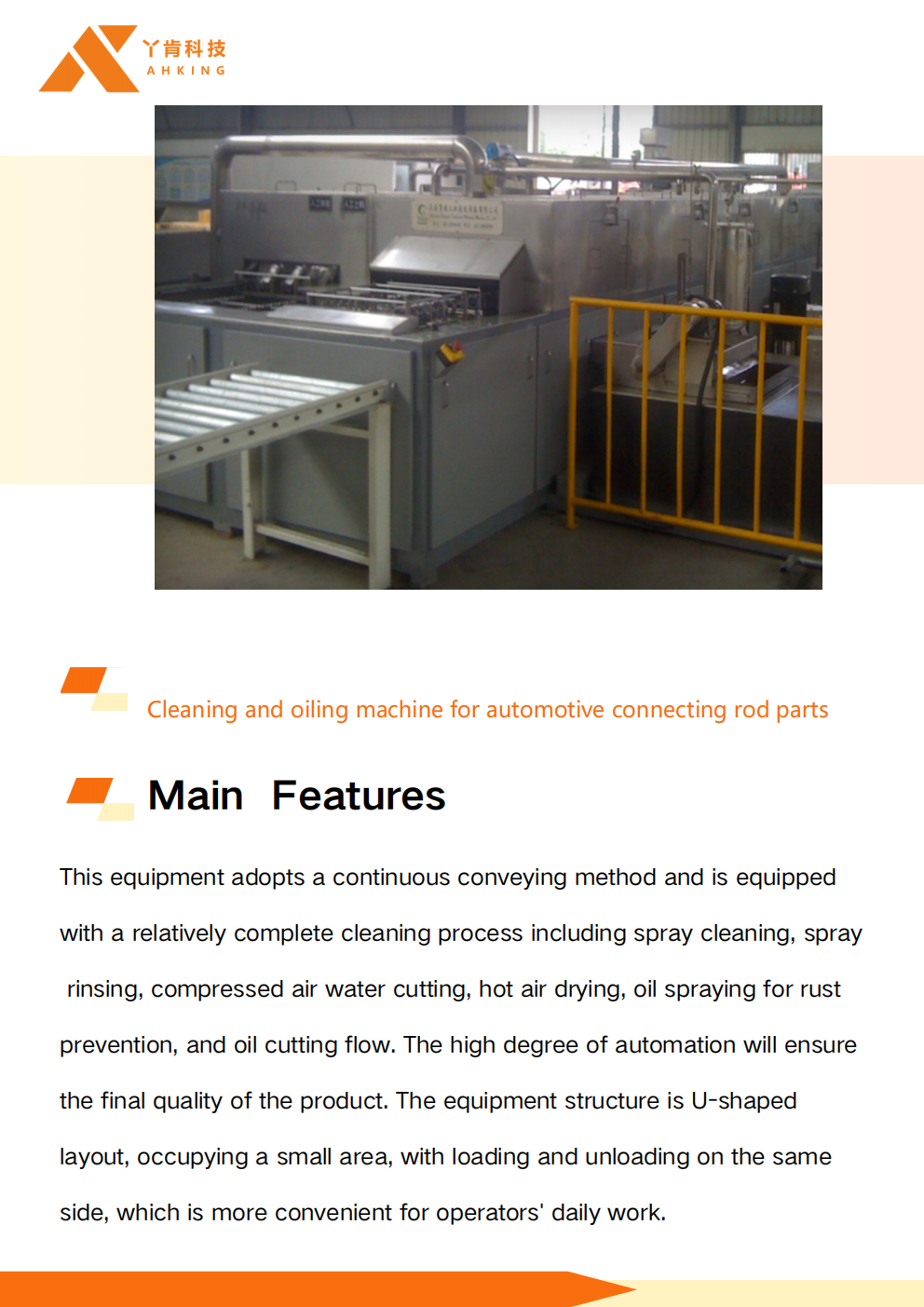 Cleaning and oiling machine for automotive connecting rod parts_01
-
Amid a resurgence of COVID-19 an [2026-10-09]
As a strategic resource, oil price fluctuations have long affected the global economy.Against the backdrop of a res
-
Warmly welcome leaders from Geel [2026-10-09]
Yesterday, Ahking Headquarters welcomed distinguished and important guests — the leadership delegation from Geely Group. Thei
-
How to select the pressure for v [2026-10-09]
Water exists in three forms in vacuum quenching oil: settled water, suspended water, and dissolved or emulsified wa