


News List
Contact us
 AHKING Profile
Contact: Maple Joe
Mobile: 15301660563
Tel: 021-37195886/35/62
Do You Really Understand the Difference Between Vacuum Quenching Oil and Conventional Quenching Oil?
Different types of quenching oils feature distinct performance characteristics and application scopes.
Vacuum quenching oil differs greatly from conventional quenching oil and should be selected according to actual workpiece requirements.
The following introduces the differences between conventional quenching oil and vacuum quenching oil to help improve the processing quality of workpieces.
Conventional quenching oil is mainly applicable to the quenching of ferrous alloys with good hardenability, such as small bearing steel and tool steel parts.To improve the cooling performance, thermal oxidation stability and rust resistance of base oil, coolants, antioxidants and rust inhibitors are added to machine oil to formulate conventional quenching oils of various grades, whose overall performance is superior to that of ordinary machine oil.
Conventional quenching oil is primarily suitable for general process quenching in salt bath furnaces, box furnaces and pit furnaces. It must not be mixed with other types of lubricating oils.When replacing the oil,thoroughly clean the oil tank.The applicable temperature range of this product is 50℃ to 80℃, and the operating temperature shall not exceed 80℃ to avoid shortening its service life.
An agitation or oil circulation device shall be installed inside the oil tank to further enhance the cooling capacity of the quenching oil, achieve uniform cooling on the workpiece surface, and fresh oil shall be replenished to the oil tank on a regular basis.
Vacuum quenching oil is applicable to the quenching of large and medium-sized alloy steels such as aerospace structural steel, bearing steel, and tool and die steel.
In certain special industrial sectors, conventional heat treatment technologies fail to meet process requirements, which has led to the development of vacuum heat treatment technology.
Vacuum heat treatment enables workpieces to be free from oxidation, decarburization, carburization and deformation. It not only extends the service life of parts but also causes no air pollution. Accordingly, special performance requirements are imposed on quenching oil:
1. Low Saturated Vapor Pressure
Vacuum quenching oil enables quenching at low pressure while achieving the same hardness values obtained under atmospheric pressure.
After quenching with conventional quenching oil at atmospheric pressure, the hardness reaches HRC 66, allowing full hardening of the test specimen.
As the quenching pressure gradually decreases, the hardness drops sharply. In particular, when the pressure falls below 50000 Pa, normal atmospheric pressure quenching can no longer be performed.
As the pressure continues to decrease further, the hardness rises again. At 25000 Pa, the quenching hardness reaches HRC 65.
Vacuum quenching oil can harden steel to HRC 65 over a wide low-pressure range.
Therefore, vacuum quenching oil possesses a lower saturated vapor pressure than conventional quenching oil.
2. High Oxidation Resistance
When workpieces are heated and quenched under high vacuum, it is essential to
ensure that metal parts remain free from oxidation during the heating process. Vacuum quenching oil is adopted to meet the processing requirements of such workpieces.
3. High Cooling Performance
Vacuum quenching oil features stronger cooling capacity and superior cooling performance compared with conventional quenching oil.
When heating and quenching are carried out under a certain vacuum degree, the physical properties of oil products such as boiling point and thermal conductivity will change, resulting in deterioration of cooling performance. It is recommended to adopt vacuum quenching oil to avoid compromising the vacuum treatment effect.
- Previous: How to select the pressure for vacuum quenching oil?
- Next: Precautions for Using Lubricants and Fluids in Mining Machinery
-
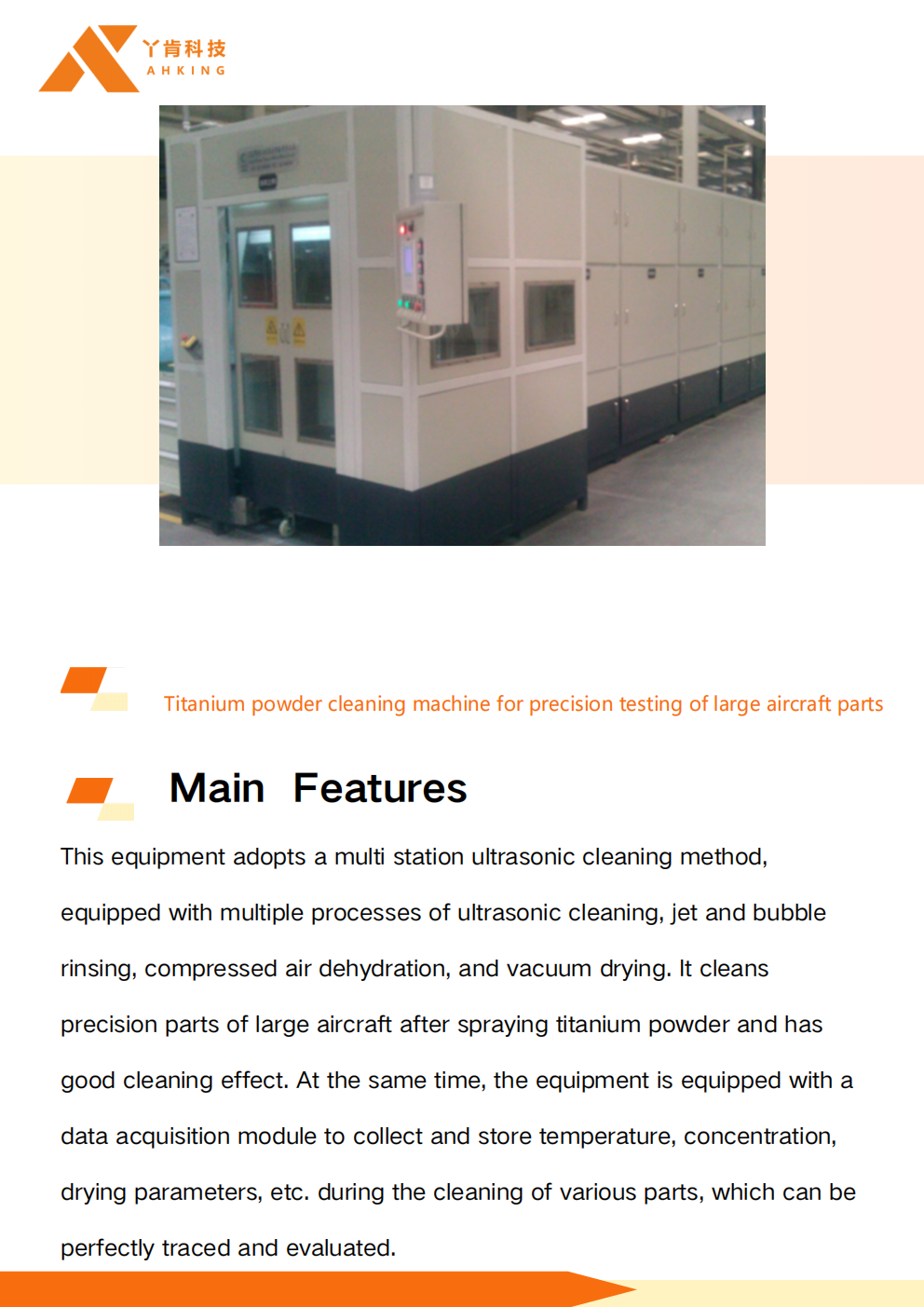 Titanium powder cleaning machine for precision testing of large aircraft parts_01
-
 CLP-111 Hydraulic system anti-wear lubricant
-
 CLP-421 Cold heading processing lubricant
-
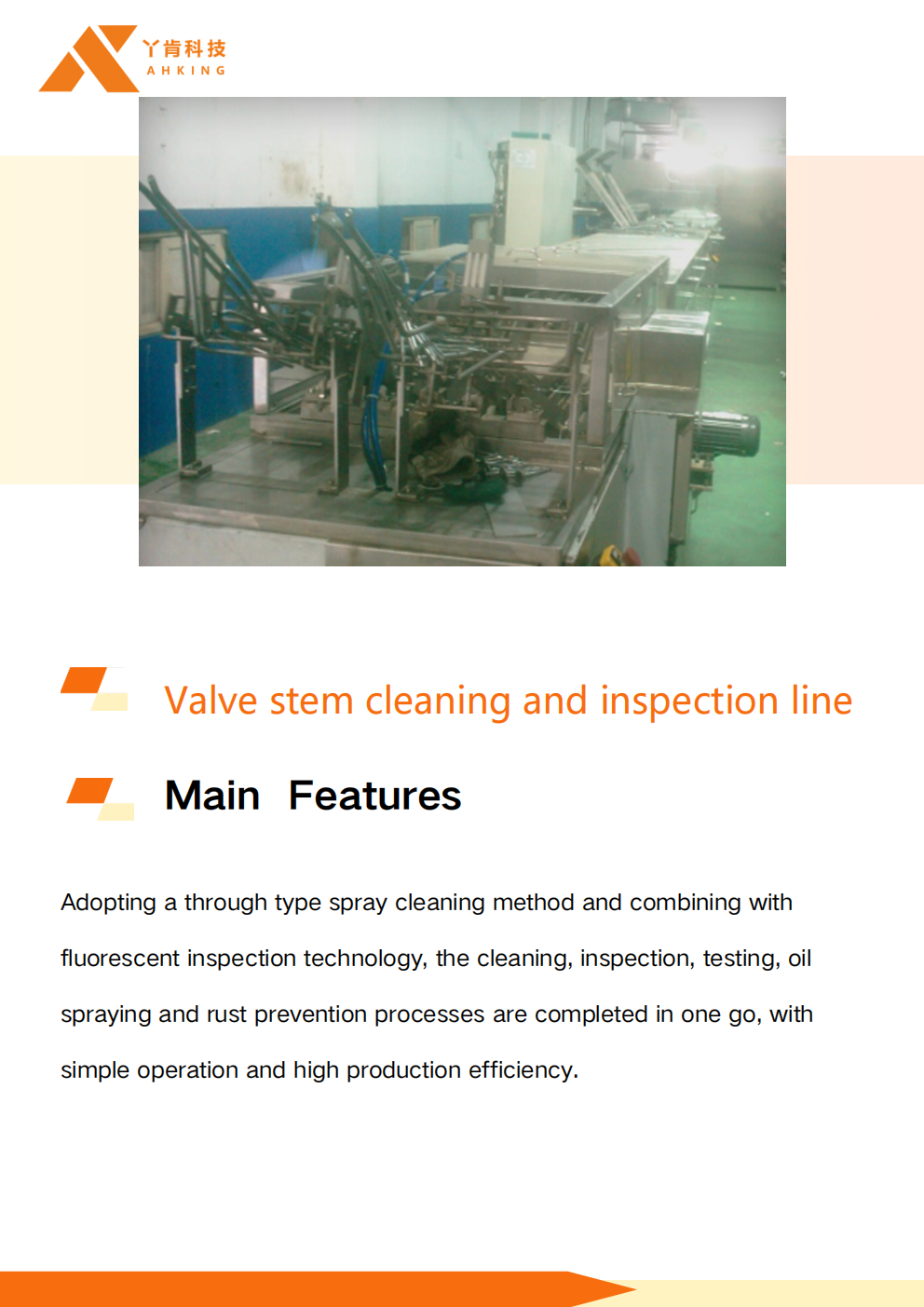 Valve stem cleaning and inspection line_01
-
Boom Era Arrives for Metalworkin [2026-10-09]
As the manufacturing industry advances toward high-quality development, metalworking fluids and their supporting equipment
-
National Investment Promotion: P [2026-10-09]
In the industries of metal processing, auto parts and high-end equipment manufacturing, stable, efficient and environmentally
-
Amid a resurgence of COVID-19 an [2026-10-09]
As a strategic resource, oil price fluctuations have long affected the global economy.Against the backdrop of a res