


News List
Contact us
 AHKING Profile
Contact: Maple Joe
Mobile: 15301660563
Tel: 021-37195886/35/62
Precautions for Using Lubricants and Fluids in Mining Machinery
Many types of mining machinery rely on hydraulic fluids or gear lubricants. Examples include flame-resistant hydraulic systems for coal mines, industrial gearboxes for heavy-duty equipment (conveyors, pulverizers, mixers), gearboxes for electric shovels and draglines in open-pit mines, motorized wheel reducers for large mining trucks, and roller bearings for vertical mills, medium-speed mills, and slag mills.
While hydraulic transmission offers convenience, it is prone to failures often linked to oil conditions. Oil contamination and excessive oil temperature are the primary causes of hydraulic system failure, directly impacting reliability and component lifespan. Proper management of oil purity and temperature is essential for performance and longevity.
I. Sources of Contamination & Preventive Measures
1. Residual Manufacturing Contaminants: Metal shavings, burrs, sand, welding slag, and rust from the assembly process.
Prevention: Ensure strict quality control during equipment assembly by the manufacturer.
2. Transport & Underground Assembly: Dust, coal powder, water, or lint introduced through open ports and hoses.
Prevention: Use dedicated seals, plugs, and waterproof tarps during transport. Use cleaning oil, cotton cloth, and air hoses to clean contaminated parts during underground assembly.
3. Component Replacement: Debris from the surrounding environment during repairs.
Prevention: Clean all coal dust, grease, and water from connection points before installing new components.
4. Oil Refilling/Changes: Contaminants introduced when adding new oil.
Prevention: Check the quality of remaining oil; if emulsified or degraded, drain completely before refilling. Clean the entire reservoir during a full oil change.
5. External Water Ingress: Water from roof seepage or bolting operations entering through air breathers.
Prevention: Cover breathers with waterproof material and clean filter elements regularly.
6. Air Contamination: Often overlooked, air bubbles can cause lasting damage to the system and must be addressed promptly.
II. Causes of High Oil Temperature & Preventive Measures
1. Excessive Viscosity: Increases pressure drop along the lines.
Prevention: Use the manufacturer’s recommended grade; do not mix different oils or use excessively high-grade lubricants.
2. Poor Piping Layout: Tight bend radii or excessive elbows.
Prevention: Straighten hoses where possible and optimize layout to reduce pressure loss.
3. Contaminated Oil:
Prevention: Keep the hydraulic oil clean at all times.
4. Damaged Components:
Prevention: Inspect hydraulic components regularly.
5. Cooling System Failure:
Prevention: Perform routine maintenance on the cooling system to maintain optimal temperatures.
6. Low Oil Level:
Prevention: Ensure the reservoir is sufficiently filled.
7. Improper Operation:
Prevention: Release control handles immediately once they reach the limit position to avoid unnecessary relief valve overflow.
Product Requirements & Solutions
Coal mine hydraulic oils must offer lubrication, anti-wear properties, corrosion protection, oxidation resistance, anti-foaming, high-temperature stability, and environmental compliance.
Ahking Cooling & Lubrication Products utilize advanced DCS control and FMS formula management systems to meet national testing standards.
CLP-11 Series (Hydraulic Lubricants): Designed for fire-resistant hydraulic systems in steel, coal, chemical, and plastic processing industries. Ideal for high-temperature environments or near open flames. Operating range: -30°C to 60°C; pressure up to 20MPa.
CLP-12 Series (Gear Lubricants): For heavy-duty, high-impact, or extreme temperature applications. Used in conveyors, pulverizers, extruders, and gearboxes across the steel, coal, and power sectors. Also suitable for marine propulsion, deck winches, electric shovels, draglines, and high-load bearings.
Professional lubrication protects your machinery and reduces maintenance costs.
- Previous: Do You Really Understand the Difference Between Vacuum Quenching Oil and Conventional Quenching Oil?
- Next: Application and Precautions of Rolling Oil
-
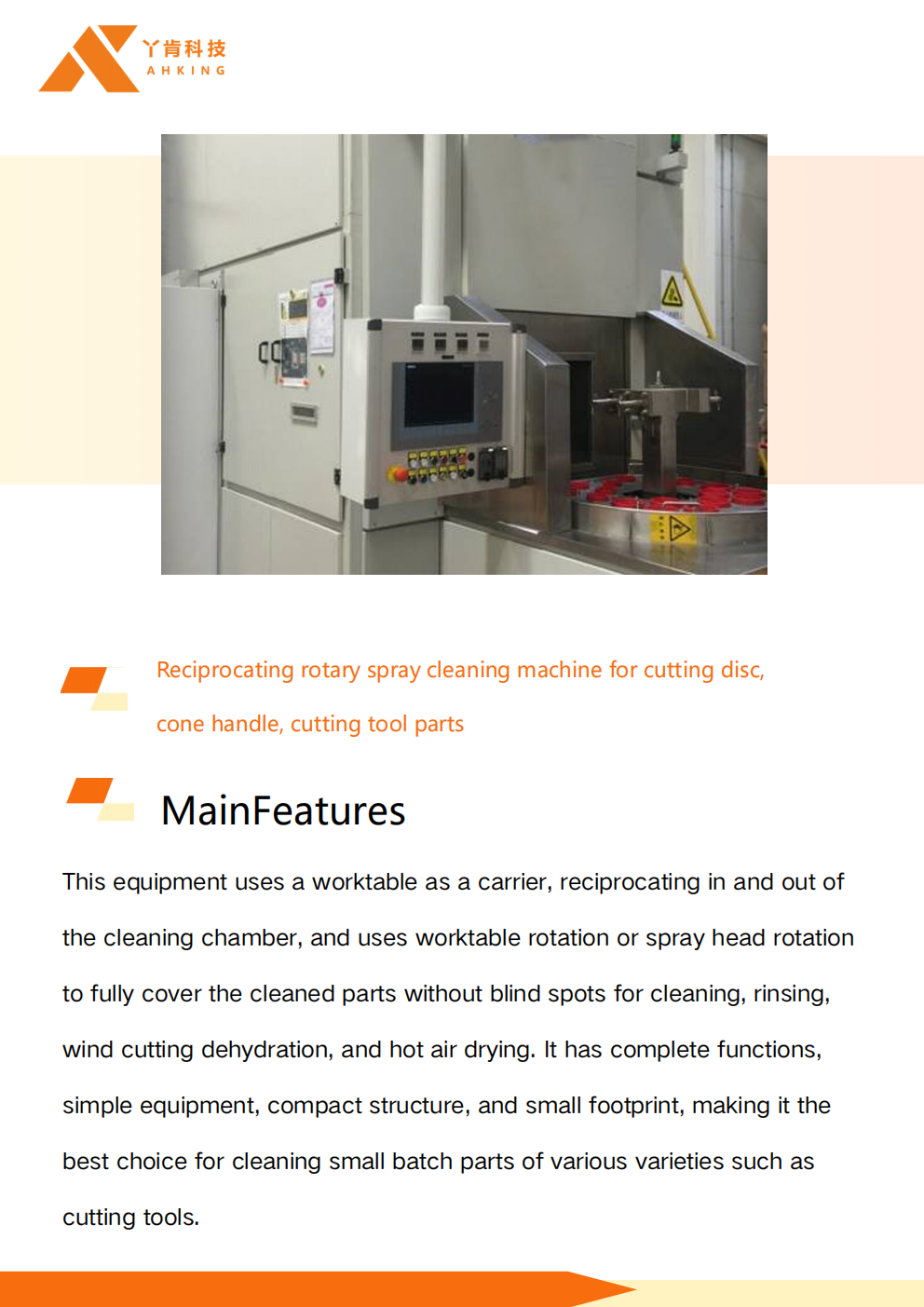 Reciprocating rotary spray cleaning machine for cutting disc, cone handle, cutting tool parts_01
-
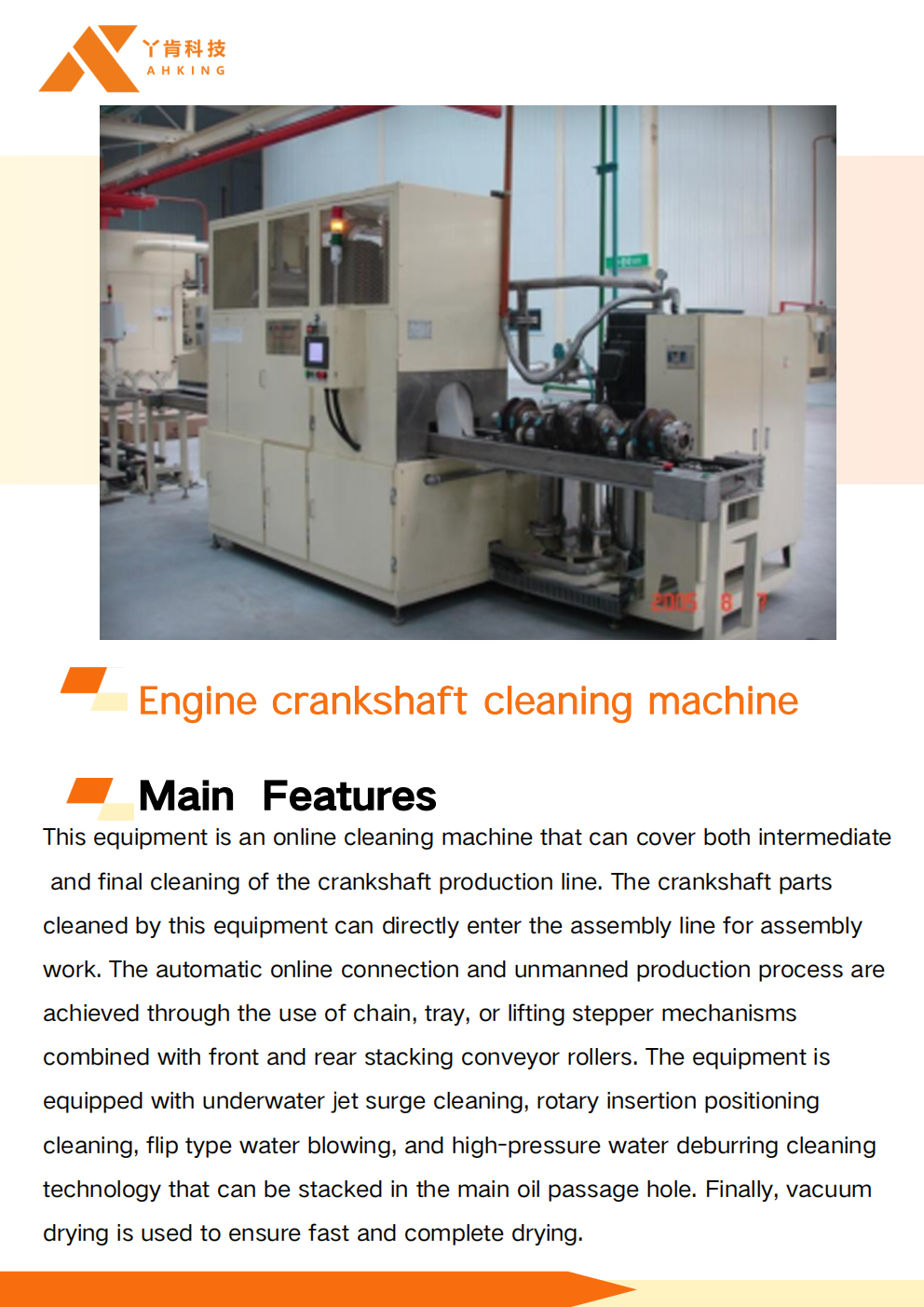 Engine crankshaft cleaning machine_01
-
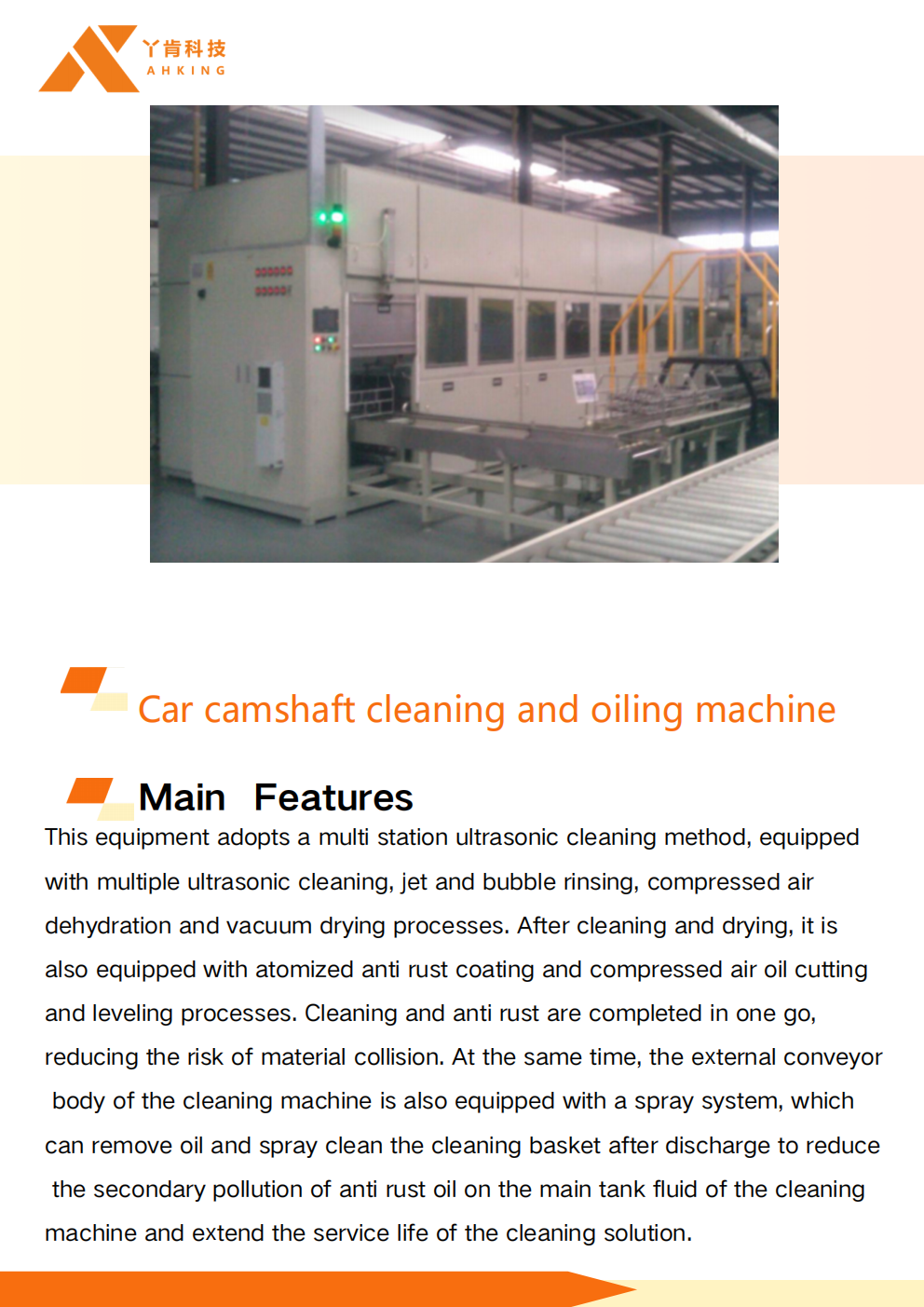 Car camshaft cleaning and oiling machine_01
-
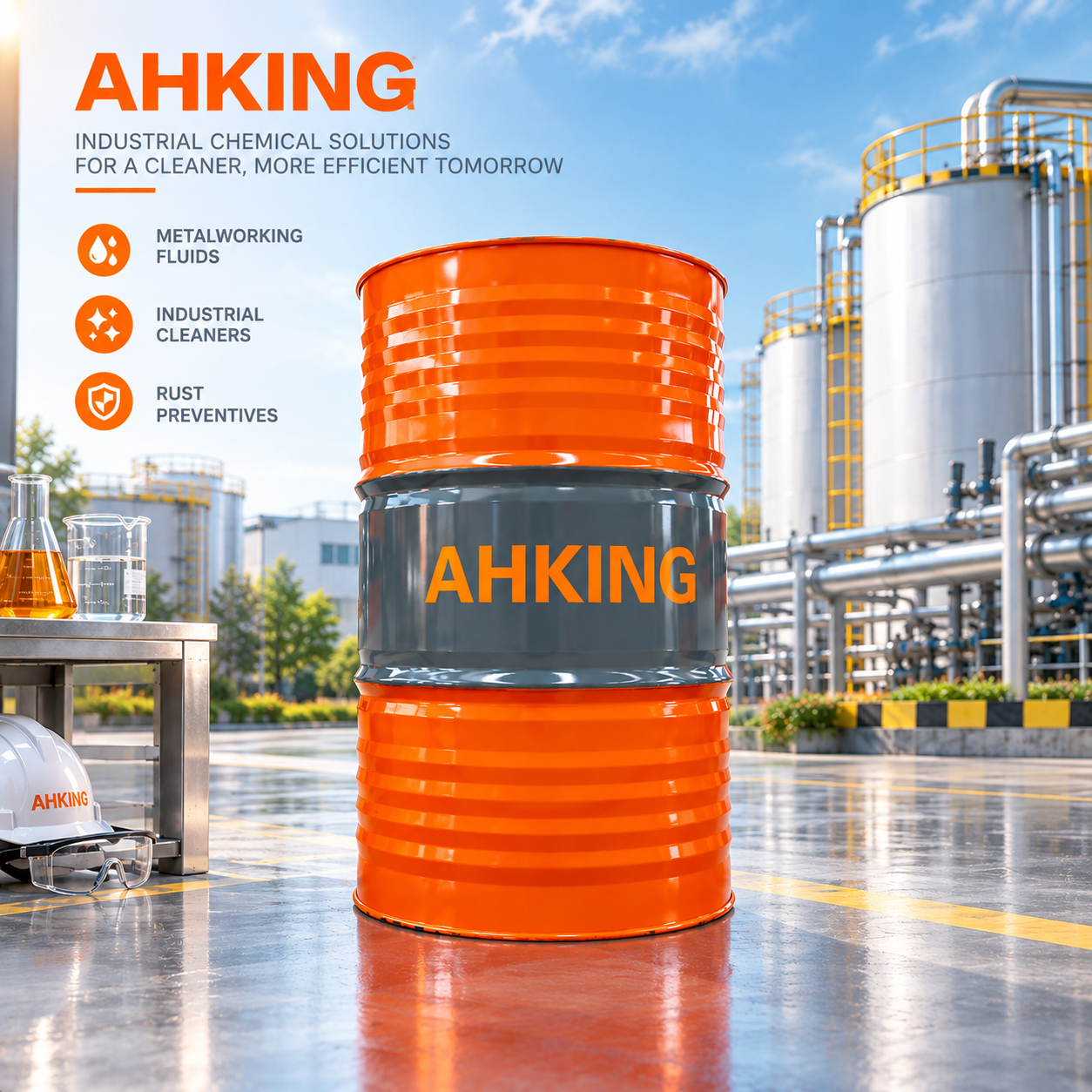 CLP-512 Overspeed quenching oil
-
Warmly welcome leaders from Geel [2026-10-09]
Yesterday, Ahking Headquarters welcomed distinguished and important guests — the leadership delegation from Geely Group. Thei
-
National Investment Promotion: P [2026-10-09]
In the industries of metal processing, auto parts and high-end equipment manufacturing, stable, efficient and environmentally
-
National Investment Promotion: P [2026-10-09]
In the industries of metal processing, auto parts and high-end equipment manufacturing, stable, efficient and environmentally