


News List
Contact us
 AHKING Profile
Contact: Maple Joe
Mobile: 15301660563
Tel: 021-37195886/35/62
Application and Precautions of Rolling Oil
Rolling oil is a special lubricant used in the processing and production of metal materials. It functions as lubrication, cooling, rust prevention and cleaning during the rolling process, so as to ensure product quality and production efficiency.

Basic Composition of Rolling Oil
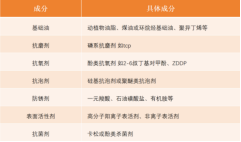
Usage Methods of Rolling Oil
Proportional Preparation: According to production demands and rolling machine requirements, formulate a reasonable mixing scheme. Select the appropriate oil type and ratio to maximize its performance.
Even Coating: Apply rolling oil evenly on the surface of rolling equipment and metal materials, ensuring full coverage without missing areas. Spray systems shall be adopted for large-scale equipment.
Real-time Oil Replenishment: Monitor the consumption and condition of rolling oil during operation. Maintain an adequate oil film to avoid frictional heat, material jamming and even fire hazards on the metal surface.
Regular Replacement: The service life of rolling oil is generally about two months and must be replaced on schedule. Meanwhile, conduct regular maintenance on rolling machinery to clean residual oil stains and rust.
Precautions for Rolling Oil
1.Do not mix different types of rolling oil to avoid adverse impacts on production.
2.Avoid overuse of rolling oil; excessive dosage will affect product quality.
3.Keep environmental hygiene and safe operation during application to prevent air and ground contamination.
4.Once contaminated, rolling oil will compromise product quality and service life, and shall be replaced promptly.
5.Store rolling oil in a well-ventilated place, away from direct sunlight and high-temperature environments.
Common Problems and Solutions of Rolling Oil
1. Scratches Caused by Insufficient Lubrication
In high-speed steel rolling with heavy reduction, a large amount of deformation heat is generated, raising the temperature of rollers and steel plates. Insufficient emulsion spray leads to thinner and inadequate oil film, resulting in direct contact and thermal scratches between rollers and steel plates.
Thermal scratches occurring under favorable rolling conditions usually indicate insufficient strength of the rolling oil film.
Excessively high rolling speed, heavy reduction rate or overly hard material can be adjusted by lowering speed and optimizing rolling parameters.
Solutions:
Increase emulsion temperature
Increase emulsion concentration
Increase emulsion spray volume for upper and lower roller surfaces
Reduce roller surface roughness
2. Slippage
Slippage is the opposite of thermal scratches. Excessively thick oil film or expanded hydrodynamic lubrication reduces the friction coefficient to a critical level and causes slippage. Slippage marks are usually deep and can only be eliminated by roller replacement, which requires great attention in production.
Solutions:Reduce concentration and temperature; lower iron powder content by oil skimming and magnetic filtration; increase roller roughness.
3. Increased Rolling Force
Excessive reduction in ultra-thin plate rolling or overly hard steel plates easily cause rising rolling force. It is necessary to reasonably adjust reduction rate and tension distribution, as tension can change metal deformation resistance. Proper lubrication can optimize the stress state in the deformation zone and facilitate rolling.
Solutions:
Properly raise emulsion temperature and concentration to improve adhesion, enhance lubrication, activate oiliness and extreme pressure additives, reduce deformation resistance and relieve rolling force via thermal expansion of rollers.
Reduce roller roughness to lower friction coefficient and rolling load.
Check for large amounts of foreign oil and impurities in the emulsion.
Inspect leakage of coolers and heaters.
Avoid ingress of alkaline substances or tap water; discharge part or all of the emulsion and renew if contaminated.
4. Rust and Stains (Emulsion Spots) on Rolled Steel Plates
Residual emulsion and moisture after rolling are the primary causes.
High ambient humidity around the rolling mill.
Incomplete pickling and cleaning, or residual rust on steel plates.
Insufficient oxidation resistance of the oil.
Solutions:
Check the pickling cleaning section and drying equipment to eliminate excessive chloride ions on the steel surface.
Use squeeze rollers or compressed air blowing for effective drying of outgoing plates; check squeeze roller condition, air pressure and drying effect.
Properly raise emulsion temperature to increase plate temperature and accelerate moisture evaporation.
Maintain normal liquid level; avoid rolling under low liquid level; perform regular oil skimming.
For different types of metal materials and processing methods, select the suitable rolling oil to prevent pollution to metal materials and the environment.
- Previous: Precautions for Using Lubricants and Fluids in Mining Machinery
- Next: What is vacuum quenching oil?
-
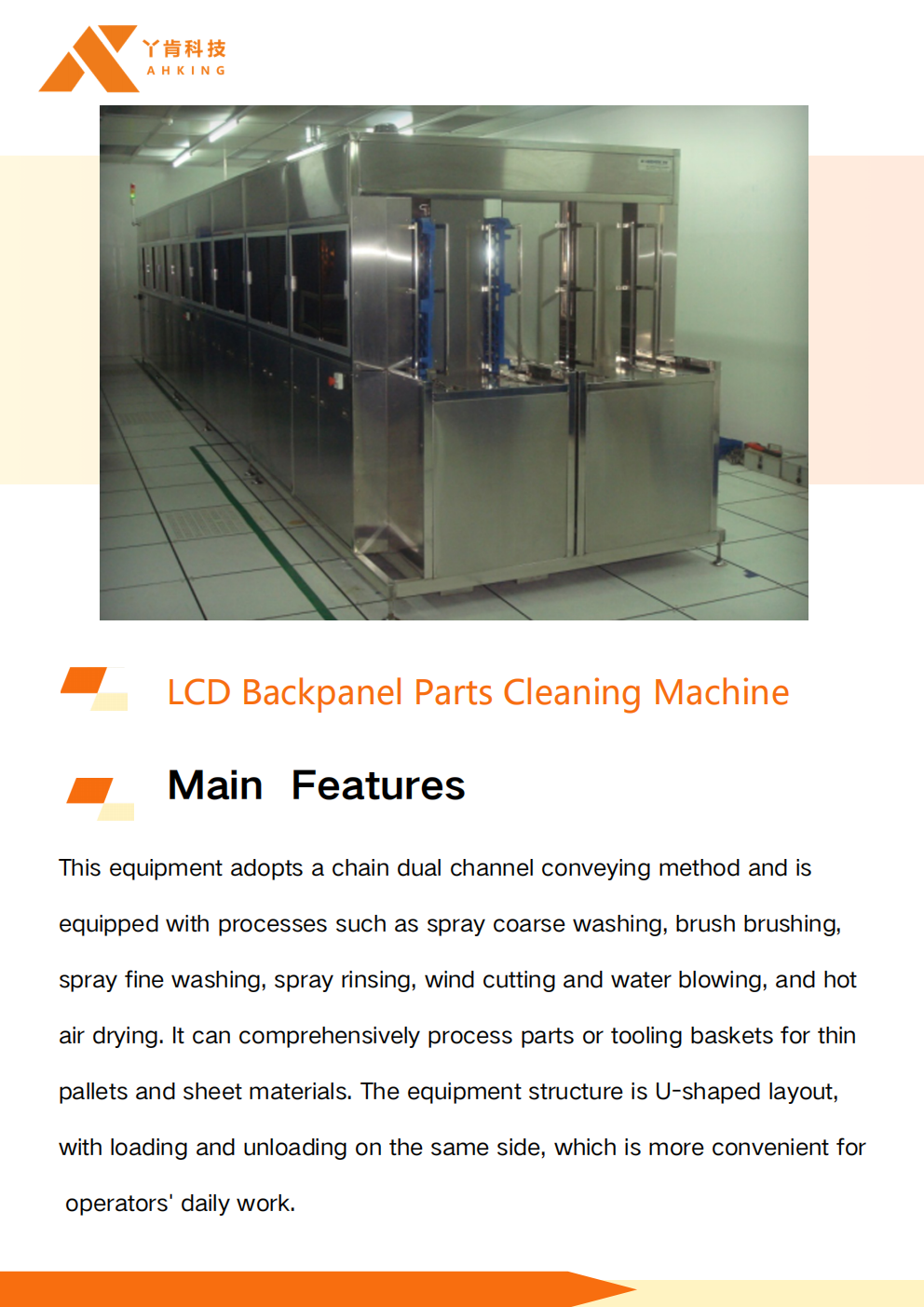 LCD Backpanel Parts Cleaning Machine_01
-
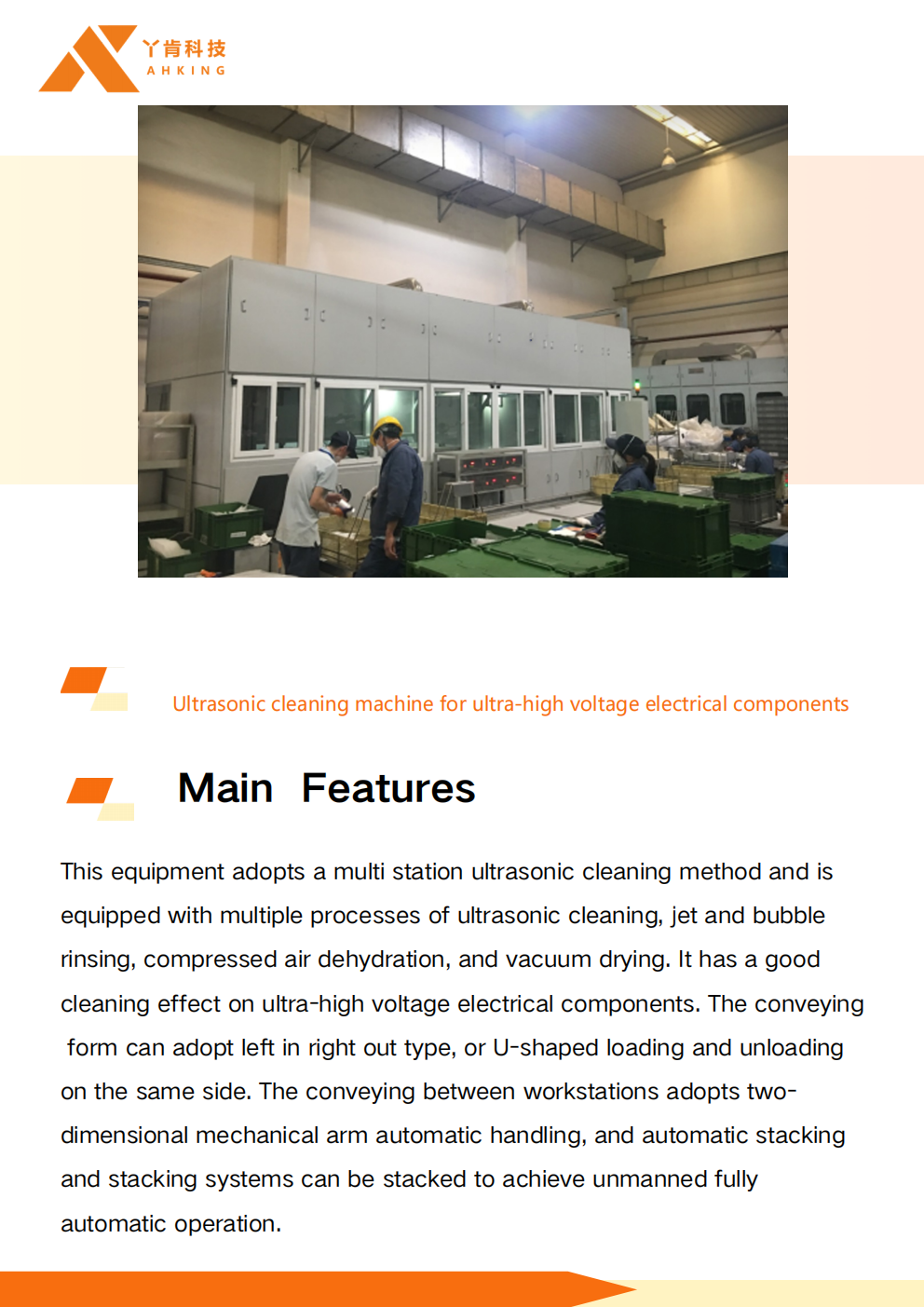 Ultrasonic cleaning machine for ultra-high voltage electrical components_01
-
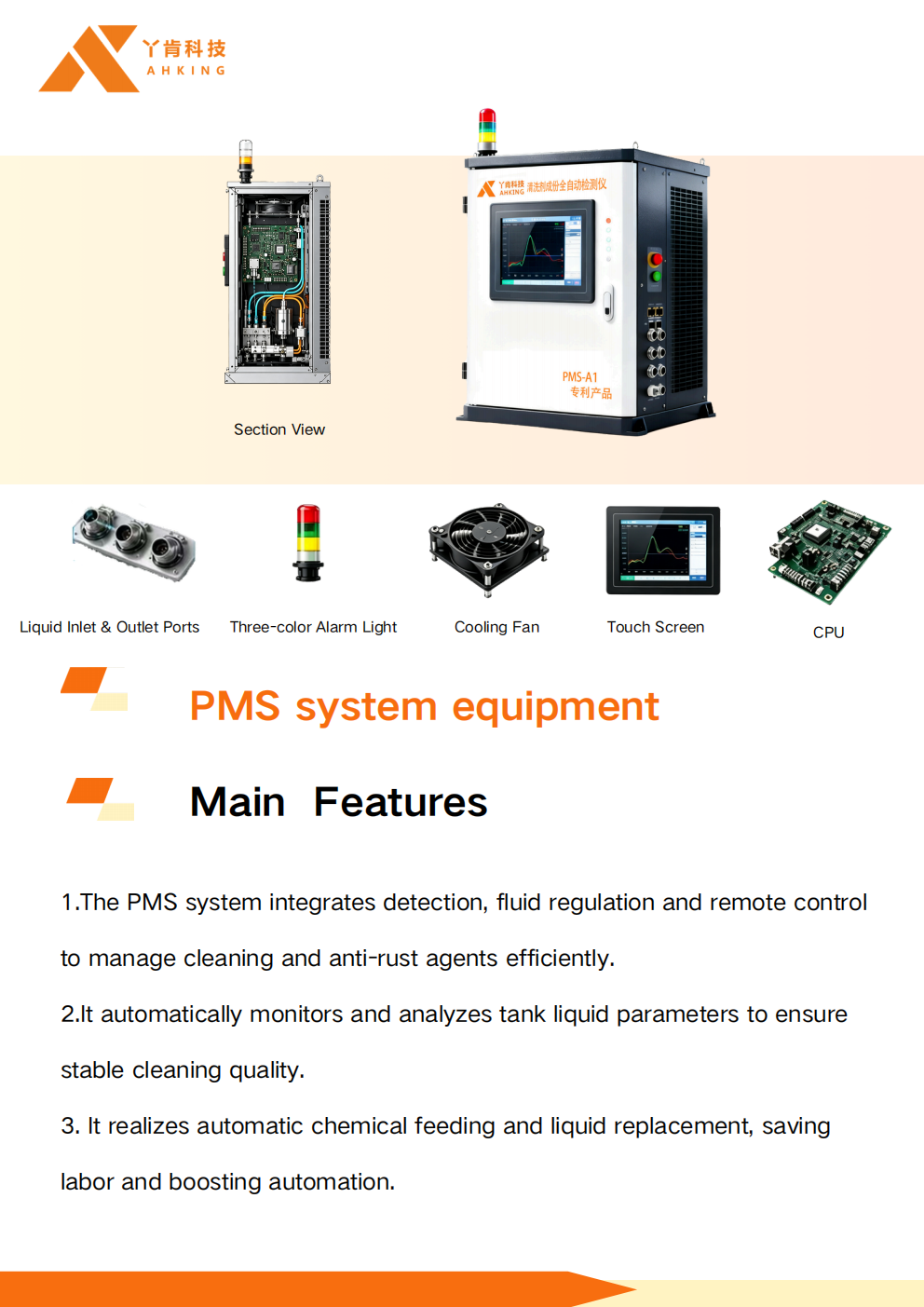 PMS system equipment_01
-
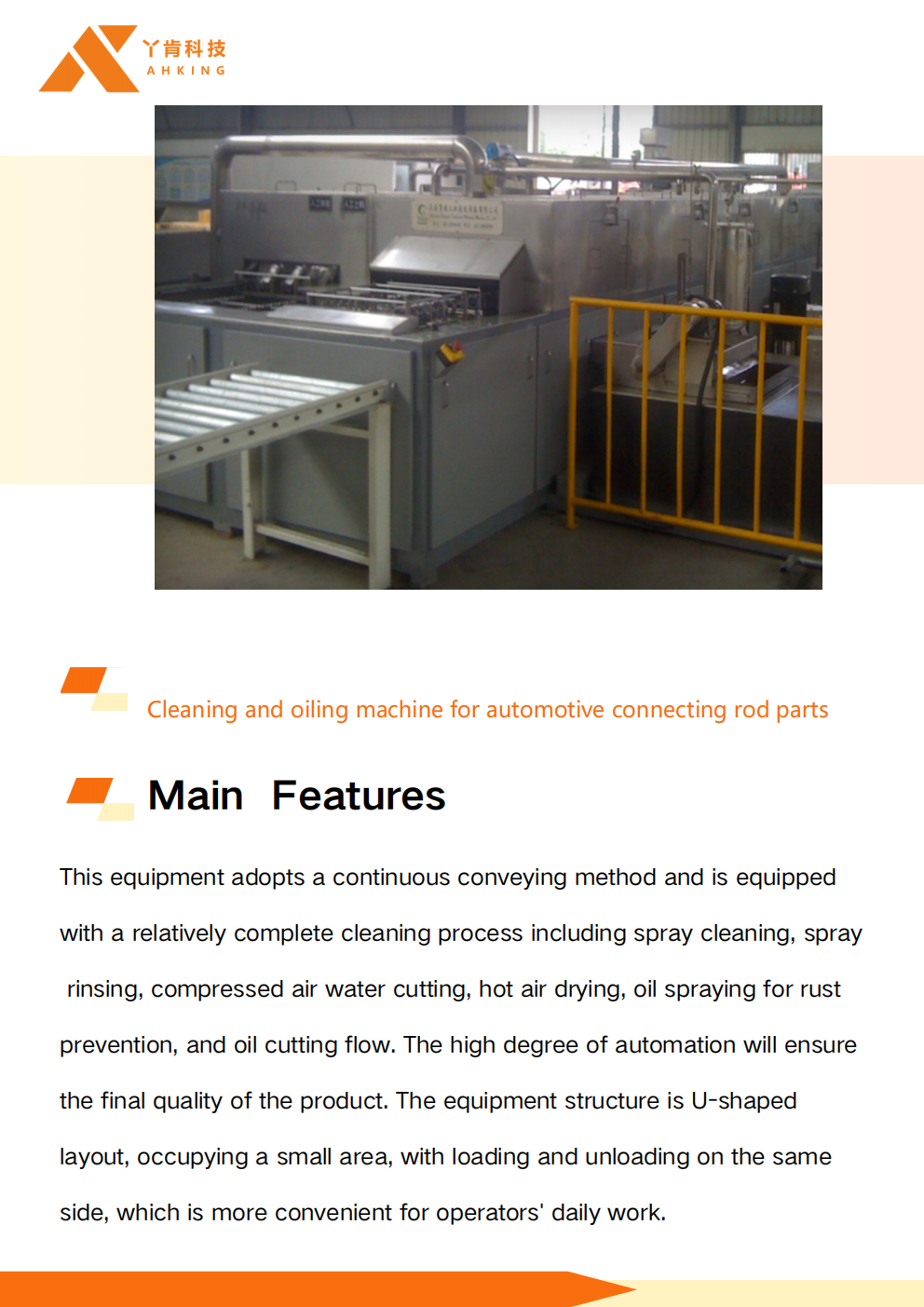 Cleaning and oiling machine for automotive connecting rod parts_01
-
One-stop Centralized Fluid Manag [2026-10-09]
Currently, China's metal processing and precision manufacturing industries are accelerating their transformation toward intel
-
Stock up more inventory! With gr [2026-10-09]
The cost of a barrel of lubricant consists of 80% base oil, 20% additives, as well as packaging materials,&nbs
-
Complete Guide to Pre-treatment [2026-10-09]
Die-cast aluminum alloy has become a core material in industries such as automotive, aerospace and high-end manufacturin